


110kV main transformer protection configuration
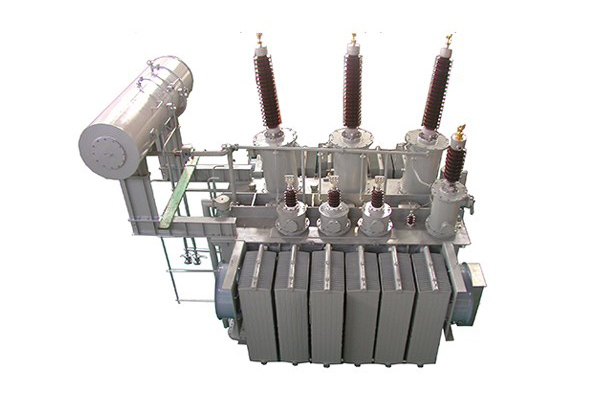
The protection configuration for a 110kV main transformer follows a complete system of “Main Protection + Backup Protection + Auxiliary Protection”, combining electrical and non-electrical protections to ensure fast and selective fault clearance. According to national standards, the configuration framework is as follows:
Overview of 110kV Main Transformer Protection Configuration
| Protection Category | Protection Function | Primary Role |
|---|---|---|
| Main Protection | Longitudinal Differential Protection | Fast clearance of internal phase-to-phase, turn-to-turn, and ground faults |
| Gas (Buchholz) Protection | Responds to internal tank faults and oil level drop; complements differential protection | |
| Backup Protection | Composite Voltage Blocking Overcurrent Protection | Responds to external phase-to-phase faults; backs up transformer and adjacent equipment |
| Zero-Sequence Overcurrent Protection | Responds to ground faults on the solidly grounded side | |
| Gap Protection (Zero-Sequence Overvoltage/Overcurrent) | Protects insulation of ungrounded or graded-insulation transformers during system ground faults | |
| Overload Protection | Responds to transformer overloading; typically alarms only | |
| Auxiliary / Tank Protection | Pressure, Temperature, Oil Level Protection | Responds to abnormal tank pressure, oil temperature, level; usually alarms or trips |
1. Main Protection Details
-
Longitudinal Differential Protection: This is the primary electrical main protection, operating instantaneously to trip all side breakers. It compares current differences between transformer sides and must reliably avoid magnetizing inrush current during energization. The minimum pickup current is typically set to (0.25–0.5) times the rated current to account for maximum unbalance under normal operation.
-
Gas (Buchholz) Protection: This is the primary non-electrical main protection for internal faults. Light gas alarms; heavy gas trips. It sensitively detects faults like minor turn-to-turn short circuits that differential protection may miss.
2. Backup Protection Details
-
Composite Voltage Blocking Overcurrent Protection: Used as backup against phase-to-phase faults, typically installed on each side. It requires both current and voltage elements (negative-sequence voltage and undervoltage) to operate, improving sensitivity. The current setting must exceed the maximum load current.
-
Zero-Sequence Overcurrent Protection: Applied in solidly grounded systems (110kV and above) to respond to external ground faults. Zero-sequence current is taken from the CT at the transformer neutral point to ensure selectivity.
-
Gap Protection: Since 110kV transformers are often graded-insulation (neutral insulation level lower than the winding ends), gap protection is required when the neutral is ungrounded. It includes zero-sequence overvoltage and gap overcurrent protection to prevent overvoltage damage to transformer insulation during single-phase ground faults if the system neutral is lost. The gap overcurrent setting is typically around 100A primary.
-
Overload Protection: Responds only to overloading. Typically single-phase, with a long time delay to alarm or start cooling fans — not to trip.
Special Considerations for Non-Standard Connections
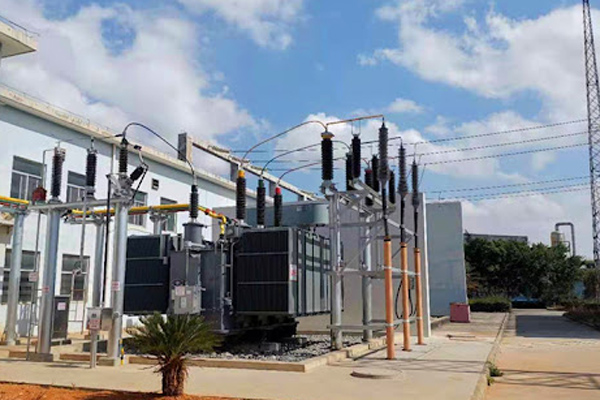
For 110kV substations using incoming bridge wiring, note the following:
-
Operating Mode Change: When one incoming line feeds two transformers, be aware of possible through-fault currents that could cause differential protection misoperation.
-
Energizing (No-Load Switching): Energizing one transformer can generate inrush current (up to 8–10 times rated current) flowing through the other transformer, possibly causing differential misoperation if the second harmonic restraint fails.
-
Protection Coordination: Properly enable/disable the trip output to the incoming line or bus coupler breaker as required by the dispatch order, depending on the operating mode.