


Detailed Explanation of Rectifier Transformers: Applications, Technical Parameters, Technical Characteristics, and Core Role in Industry and Society
In the lifeblood of modern industrial production, a stable supply and efficient conversion of electricity are the cornerstones supporting all production activities. From the high-temperature furnaces of non-ferrous metal smelting to the smooth operation of rail transit, from electrolytic reactions in the chemical industry to energy conversion in the new energy field, a key piece of electrical equipment silently and steadfastly holds its position: the rectifier transformer. As the core hub for AC to DC power conversion, the rectifier transformer precisely converts the high-voltage AC power from the power grid into low-voltage DC power suitable for industrial production, providing stable, safe, and efficient power support for various industrial equipment, becoming an indispensable “power converter” in industrial society. Whether it’s the continuous operation of a 10,000-ton-level electrolytic aluminum production line, the smooth operation of urban subways, the electrolytic reactions in large chemical enterprises, or the rapid power supply of new energy charging stations, all rely on the core support of the rectifier transformer. As an “unsung hero,” it connects every link in industrial production, driving the continuous progress of industrial civilization.
This article will comprehensively break down the core knowledge of rectifier transformers, elaborating on their definition, application scope, main technical parameters, and unique technical characteristics. It will also deeply analyze their core role in industrial society, supplementing the article with numerous practical application cases based on the current status and trends of industry development. This will provide comprehensive and professional reference for practitioners engaged in industrial production, power equipment procurement, and technology research and development, while also allowing more people to understand the important value of this “unsung hero of industry”—choosing a high-quality rectifier transformer means choosing the stability, efficiency, and sustainability of industrial production.
I. Introduction to Rectifier Transformers: Definition and Core Positioning
A rectifier transformer is the core power supply component of a rectifier system. Essentially, it’s a special transformer designed specifically for industrial DC power supply systems. Its core function is to convert high-voltage AC power from the grid into low-voltage AC power suitable for subsequent rectifier devices through electromagnetic induction. This low-voltage AC power is then converted into DC power required for industrial production by rectifier elements (such as thyristors and diode bridges), achieving a complete power conversion process from AC to DC. Compared to ordinary power transformers, rectifier transformers are designed to adapt to nonlinear loads in industrial scenarios, solving the problem of matching AC power with DC loads. Their operating conditions are more complex and their technical requirements are more stringent, making them the “heart” of industrial DC power supply systems.
Compared to ordinary power transformers, the core difference of rectifier transformers lies in their load characteristics. Ordinary power transformers are mainly connected to linear loads (such as incandescent lamps and motors), with load current and voltage exhibiting sinusoidal waveforms and relatively stable operating conditions. In contrast, rectifier transformers handle rectifier devices, which are typical nonlinear loads. During operation, they generate special conditions such as harmonics, commutation overlap, and current pulsation. These conditions cause additional losses and impacts on the transformer windings, core, and insulation materials. Therefore, their design, manufacturing, and material selection must meet more stringent technical requirements to adapt to the complex and variable load demands of industrial production. Furthermore, rectifier transformers must also possess electrical isolation capabilities, effectively isolating the power grid from the DC load to prevent DC-side faults from affecting grid safety, while simultaneously protecting downstream loads from grid voltage fluctuations.
In simple terms, a rectifier transformer acts as a “bridge” in an industrial power system: one end connects to the high-voltage AC power of the public grid, and the other end connects to various industrial equipment that requires DC power. Through precise voltage conversion and electrical isolation, it solves the power compatibility problem between industrial equipment and the power grid, ensuring that DC loads receive a stable and clean power supply, while protecting the power grid from harmonic pollution generated by nonlinear loads, thus achieving efficient and safe power transmission. For example, in industrial production, many devices (such as electrolytic cells and DC motors) can only operate on DC power, while the power grid provides AC power. In this case, a rectifier transformer and rectifier device are needed to complete the “AC → DC” conversion, providing the appropriate power for the equipment. Without a rectifier transformer, most industrial equipment that requires DC power cannot operate normally.
With the advancement of Industry 4.0, the in-depth implementation of the “dual-carbon” strategy, and the rapid development of high-end manufacturing, the application scenarios of rectifier transformers are constantly expanding, and their technological level is continuously upgrading. They have evolved from traditional basic power conversion equipment into core power equipment with multiple advantages such as energy saving, intelligence, high efficiency, and shock resistance, becoming an important cornerstone supporting high-quality industrial development. In recent years, with the rapid rise of new energy, rail transportation, and high-end chemicals, the demand for rectifier transformers has not only continued to grow in quantity but has also placed higher demands on their technological level, such as high efficiency and energy saving, low harmonics, intelligent monitoring, and miniaturized design, driving the rectifier transformer industry towards high-end, green, and intelligent development.
From the perspective of the current state of industry development, after decades of development, my country’s rectifier transformer industry has formed a complete system encompassing R&D, manufacturing, sales, and operation and maintenance. Product quality and technological level have reached international advanced levels, capable of meeting the diverse needs of different industrial scenarios. A number of domestically competitive rectifier transformer manufacturers have emerged, capable of producing various rectifier transformers ranging from tens of kVA to hundreds of MVA. These products are widely used in major industrial sectors in China and exported to many countries and regions worldwide. With the advancement of “dual carbon” goals, energy-saving and high-efficiency rectifier transformers have become the mainstream of industry development. Related companies are continuously increasing R&D investment, optimizing product design, reducing equipment losses, and improving energy efficiency, providing support for the green development of industry.
II. Application Scope of Rectifier Transformers: Covering all industrial fields and empowering the upgrading of multiple industries.
The core application of rectifier transformers is to provide power support for various industrial scenarios requiring high-power, high-quality DC power. Their application scope covers almost all core areas of modern industry, from traditional heavy industry to emerging high-end manufacturing, from public infrastructure to new energy industries. The load characteristics, voltage and current requirements, and operating conditions vary significantly across different application areas, thus demanding different technical parameters, structural designs, and performance requirements for rectifier transformers. Based on practical industry application cases, their specific application scope can be divided into the following eight major areas, each with clear application scenarios and demand characteristics, comprehensively showcasing the core value of rectifier transformers. Numerous practical examples are also provided to allow readers to more intuitively understand the application scenarios and requirements of rectifier transformers.
(I) Electrochemical Industry: Core Application Area of Rectifier Transformers
The electrochemical industry is the core and primary application area for rectifier transformers, accounting for over 40% of the entire rectifier transformer market. Its core requirement is to drive chemical reactions with powerful direct current to produce various chemical products and non-ferrous metals. These scenarios place extremely high demands on the power, stability, and shock resistance of rectifier transformers; equipment failure can result in significant economic losses. The electrochemical industry’s production processes are characterized by high continuity, large loads, and complex operating conditions. As a core power source, the operational stability of the rectifier transformer directly determines production efficiency and product quality. Therefore, this field has stringent requirements for the selection, manufacturing, and maintenance of rectifier transformers.
- Chlor-alkali Industry: The chlor-alkali industry is a fundamental chemical industry of the national economy. Its main products include caustic soda, chlorine, and hydrogen, which are widely used in chemical, textile, pharmaceutical, food, and paper industries, serving as indispensable basic raw materials in industrial production. Its core production process is the electrolysis of brine, requiring a low-voltage, high-current DC power supply. The rectifier transformer, as the core power equipment, converts the high-voltage AC power from the power grid into the low-voltage DC power required for electrolysis, providing a stable power supply to the electrolyzer and ensuring the continuous and efficient electrolysis reaction.
Case Study 1: A large chlor-alkali enterprise (annual production capacity of 1 million tons of caustic soda) uses ion-exchange membrane electrolysis in its electrolysis workshop. Each electrolysis unit requires a DC voltage of 320V and a DC current of 120kA. The supporting rectifier transformers consist of three 31.5MVA rectifier transformers operating in parallel, with a total power of 94.5MVA. The enterprise has extremely stringent requirements for the rectifier transformers: First, operational stability, requiring an annual failure rate of less than 0.5% to avoid electrolysis cell shutdowns due to equipment failures, as each hour of downtime results in a loss of nearly 100,000 yuan. Second, harmonic suppression capability, employing 12-pulse rectification technology, requiring a total harmonic distortion (THDu) of ≤5% for voltage and ≤8% for current, to avoid polluting the power grid. Third, load fluctuation resistance capability, able to adapt to load fluctuations during electrolysis cell start-up and shutdown (fluctuation amplitude up to 20%), and capable of operating under 20% overload for 30 minutes. The selected rectifier transformer features a high impedance design (impedance voltage 12%), Class F insulation, forced oil circulation air cooling (OFAF) cooling method, and is equipped with comprehensive overcurrent, overvoltage, and overheat protection devices. Since its commissioning, it has been operating stably with an annual failure rate controlled within 0.3%, saving the company approximately 800,000 kWh of electricity annually and effectively reducing production costs.
Case Study 2: A small-to-medium-sized chlor-alkali enterprise (annual production capacity of 200,000 tons of caustic soda) uses a diaphragm electrolysis process. A single electrolysis unit requires a DC voltage of 280V and a DC current of 40kA, paired with a 12.5MVA rectifier transformer. Considering the enterprise’s limited budget while also ensuring operational stability, a 6-pulse rectifier transformer was selected, with an impedance voltage of 10%, Class B insulation, oil-immersed forced air cooling (OFAN), and a voltage regulation range of ±5% (no-load voltage regulation). After the transformer was put into operation, it operated stably, meeting the requirements of the electrolysis process. Furthermore, by optimizing operating parameters, harmonic content was controlled within industry standards, saving the enterprise approximately 150,000 yuan in electricity costs annually, demonstrating extremely high cost-effectiveness.
According to industry data, the annual demand for rectifier transformers in the domestic chlor-alkali industry exceeds 2,000 units, accounting for more than 50% of the total demand in the electrochemical industry. Large chlor-alkali enterprises mainly choose 12-pulse or 24-pulse rectifier transformers with large capacity, high reliability and low harmonics, while small and medium-sized enterprises mainly use 6-pulse rectifier transformers, taking into account both cost and performance.
- Non-ferrous metal smelting: Non-ferrous metal smelting (electrolytic aluminum, electrolytic copper, electrolytic zinc, electrolytic magnesium, etc.) is another major core application scenario for rectifier transformers. Among them, the demand from the electrolytic aluminum industry is the most prominent, accounting for more than 70% of the demand for rectifier transformers in the non-ferrous metal smelting field. In the electrolytic aluminum production process, alumina needs to be reduced to metallic aluminum through electrolysis. This process consumes a large amount of DC power. The total power of the rectifier transformers on a single electrolytic aluminum production line can reach the megawatt level. It is a typical high-energy-consuming and high-current scenario, which places extremely high demands on the power, stability, and current purity of the rectifier transformers.
Case Study 1: A large-scale electrolytic aluminum enterprise (annual capacity of 1 million tons of electrolytic aluminum) is equipped with 8 300MVA rectifier transformers on a single production line, with a total power of 2400MVA. The input voltage is 220kV, the output voltage is 550V, and the output current is 320kA. It adopts 24-pulse rectification technology to ensure that the total harmonic distortion (THDu) of the voltage is ≤2% and the current ripple coefficient is ≤0.8%, so as to avoid the impact of current ripple on electrolysis efficiency and aluminum ingot quality. The company’s requirements for the rectifier transformer were: firstly, high reliability, requiring an annual operating time of ≥8700 hours and a failure rate of ≤0.1%, as a shutdown of the electrolytic aluminum production line could result in losses exceeding 500,000 yuan per hour; secondly, high efficiency and energy saving, requiring no-load loss ≤120kW and load loss ≤1200kW, meeting the first-level energy efficiency standard of GB 20052-2024 “Energy Efficiency Limits and Energy Efficiency Grades for Power Transformers”; and thirdly, impact resistance, capable of withstanding the inrush current during the start-up and shutdown of the electrolytic cell (the maximum inrush current is 6 times the rated current), and also capable of operating under 15% overload for 1 hour. The selected rectifier transformer adopted H-class insulation, forced oil-circulating water cooling (OFWF) cooling method, high impedance design (impedance voltage 14%), and was equipped with an intelligent monitoring system that could monitor the transformer’s temperature, voltage, current, harmonics, and other parameters in real time. Since its commissioning, it has been operating stably, with an annual operating time of over 8750 hours and a failure rate of 0, saving the company approximately 12 million kWh of electricity annually, effectively reducing production costs in this energy-intensive industry.
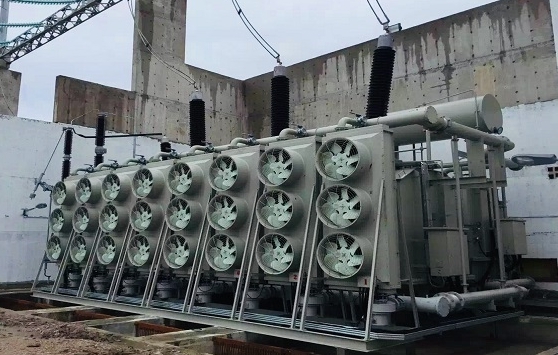
Case Study 2: A medium-sized electrolytic zinc enterprise (annual capacity of 100,000 tons of electrolytic zinc) has two 25MVA rectifier transformers on its production line. The input voltage is 35kV, the output voltage is 180V, and the output current is 75kA. It uses 12-pulse rectification technology, requiring a total harmonic distortion (THDu) of ≤5% and a total harmonic distortion (THDi) of ≤10%. The enterprise has a harsh production environment with a large amount of corrosive gases and dust in the workshop. Therefore, the environmental resistance requirements for the rectifier transformers are high: firstly, the protection level must be ≥IP54 to effectively prevent dust and corrosive gases from entering the equipment; secondly, the insulation performance must be reliable, using Class F insulation to withstand the high temperature conditions in the workshop (maximum ambient temperature 45℃); and thirdly, the cooling system must be stable, using forced oil circulation air cooling (OFAF) to ensure normal heat dissipation in high-temperature environments. The selected rectifier transformer has undergone special anti-corrosion treatment, and the windings are made of corrosion-resistant materials. After being put into use, it operates stably and can adapt to harsh production environments. The annual failure rate is controlled within 0.4%, which meets the needs of electrolytic zinc production.
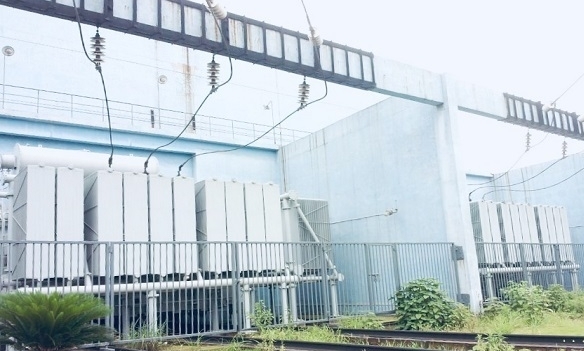
As a high-energy-consuming industry, the electrolytic aluminum industry has the most stringent requirements for the energy efficiency and stability of rectifier transformers. In recent years, with the advancement of the “dual-carbon” strategy, more and more electrolytic aluminum companies have begun to replace their rectifier transformers with high-efficiency and energy-saving models to reduce power loss and achieve green production through technological upgrades. In contrast, industries such as electrolytic copper and electrolytic zinc have different requirements for the power and performance of rectifier transformers depending on their production capacity. Small and medium-sized enterprises focus more on cost-effectiveness, while large enterprises prioritize stability and energy efficiency.
- Hydrogen/Oxygen Production via Water Electrolysis: With the advancement of the “dual-carbon” strategy, hydrogen energy, as a clean new energy source, is experiencing rapid industrial development. Hydrogen production via water electrolysis has become one of the core methods for hydrogen production, encompassing three technical routes: alkaline water electrolysis, proton exchange membrane water electrolysis, and solid oxide water electrolysis. Among these, alkaline water electrolysis is the most mature and widely used. The process involves decomposing water using direct current to generate hydrogen and oxygen. This process demands extremely high stability and purity from the DC power supply. The rectifier transformer, as the core power conversion device, is responsible for converting AC power from the grid into DC power suitable for the electrolyzer.
Case Study 1: A large-scale water electrolysis hydrogen production project (annual capacity of 10,000 tons of hydrogen) uses alkaline water electrolysis technology. It requires a DC voltage of 180V and a DC current of 80kA, with four 40MVA rectifier transformers, totaling 160MVA. The input voltage is 35kV, employing 24-pulse rectification technology. The requirements are: a total harmonic distortion (THDu) of ≤1.5% and a current ripple coefficient of ≤0.5% to ensure hydrogen production efficiency and purity. The project’s requirements for the rectifier transformers are: 1) precise voltage regulation capability, with a regulation range of ±10% (on-load tap changer), capable of adjusting the output voltage in real time according to changes in the hydrogen production process to adapt to different hydrogen production conditions; 2) high efficiency and energy saving, requiring no-load loss ≤50kW and load loss ≤400kW, meeting the first-level energy efficiency standard; 3) high level of intelligence, equipped with an intelligent monitoring and remote control system to monitor the transformer’s operating status in real time, enabling remote operation and maintenance and fault early warning. The selected rectifier transformer adopts Class F insulation, forced oil circulation air cooling (OFAF) cooling method, and high impedance design (impedance voltage 12%). Since its commissioning, it has been operating stably, with a hydrogen production efficiency of over 85%. It can save the project about 1 million kWh of electricity loss per year and promote the green development of the hydrogen energy industry.
Case Study 2: A small-scale proton exchange membrane electrolysis water production project (annual capacity of 1000 tons of hydrogen) requires a DC voltage of 800V and a DC current of 10kA, paired with a 10MVA rectifier transformer. The input voltage is 10kV, employing 12-pulse rectification technology, with a total harmonic distortion (THDu) of ≤2% and a current ripple coefficient of ≤0.8%. Proton exchange membrane electrolysis water production places extremely high demands on the purity of the DC power supply; therefore, this project requires stringent harmonic suppression capabilities from the rectifier transformer. Simultaneously, the transformer must be small in size, lightweight, and highly intelligent, adaptable to the project’s miniaturized layout. The selected rectifier transformer uses dry cooling (forced air cooling AF), H-class insulation, and is 30% smaller and 25% lighter than traditional oil-immersed transformers. Equipped with an intelligent monitoring module, it can monitor voltage, current, harmonics, and other parameters in real time. After commissioning, it operates stably, achieving a hydrogen purity of 99.999%, meeting the project’s hydrogen production requirements.
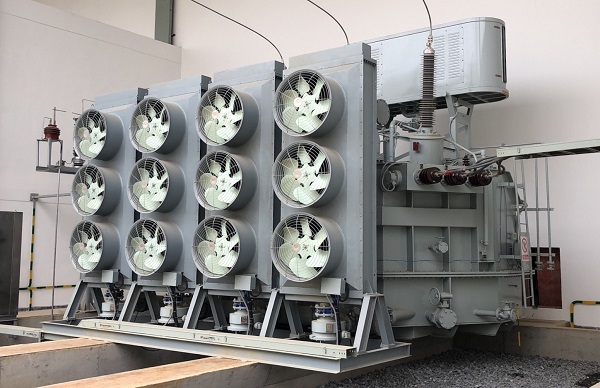
Currently, the demand for rectifier transformers in domestic water electrolysis hydrogen production projects is growing at a rate of over 30% annually, becoming a new growth engine for the rectifier transformer industry. Different hydrogen production technologies have significantly different requirements for rectifier transformers. Alkaline water electrolysis hydrogen production mainly requires low-voltage, high-current rectifier transformers, while proton exchange membrane water electrolysis hydrogen production mainly requires high-voltage, low-current rectifier transformers, with even higher requirements for harmonic suppression and voltage stability.
(II) Metallurgical Industry: Supporting High-Temperature Smelting and Ensuring Continuous Production
The metallurgical industry is the core of traditional heavy industry, encompassing steel smelting, ferroalloy smelting, and non-ferrous metal smelting. These environments are characterized by large load fluctuations, frequent start-ups and shutdowns, and harsh conditions (high temperatures, high dust levels, and corrosive gases). This places extremely high demands on the shock resistance, overload resistance, and environmental tolerance of rectifier transformers. The stable operation of rectifier transformers directly determines the continuity and safety of metallurgical production. The production processes in the metallurgical industry are characterized by high temperatures, high pressures, and high loads. Rectifier transformers need to operate stably for extended periods under extreme conditions; therefore, their design and manufacturing must fully consider factors such as temperature resistance, dust prevention, corrosion resistance, and shock resistance.
- DC Electric Arc Furnace: DC electric arc furnaces are mainly used for smelting steel, ferroalloys (ferrosilicon, ferromanganese), and non-ferrous metals (copper, nickel). Their core principle is to generate high temperatures (up to 2000℃ or higher) through a DC electric arc to melt the furnace charge and achieve the smelting process. Compared to AC electric arc furnaces, DC electric arc furnaces have advantages such as lower energy consumption (5%-10% more energy saving), better steel quality, and less electrode consumption (15%-20% less). The rectifier transformer is the core power source of the DC electric arc furnace, responsible for converting the AC power from the grid into the low-voltage, high-current DC power required by the furnace. The load of a DC electric arc furnace is highly impactful, generating a huge inrush current during startup (the maximum inrush current is 8-10 times the rated current). During operation, the load fluctuates dramatically. Therefore, the rectifier transformer needs a high-impedance design to limit the inrush current and short-circuit current, while also possessing strong overload resistance and heat dissipation capabilities to ensure stable operation under extreme conditions.
Case Study 1: A large steel company’s DC electric arc furnace project (capacity 100 tons) is equipped with one 120MVA rectifier transformer. The input voltage is 110kV, the output voltage is 120V, and the output current is 800kA. It adopts 12-pulse rectification technology, requiring an impedance voltage of 15% to effectively limit inrush current and short-circuit current, preventing equipment damage. The company’s requirements for the rectifier transformer are: 1) Impact resistance: able to withstand the inrush current during startup (maximum 8000kA) and have the ability to operate under 25% overload for 20 minutes; 2) Heat dissipation: using forced oil-circulating water cooling (OFWF) to adapt to the high-temperature environment around the electric arc furnace (maximum ambient temperature 50℃), ensuring the equipment temperature is controlled within the allowable range of H-class insulation (≤180℃); 3) Environmental resistance: protection level ≥IP55, effectively preventing the impact of dust and high-temperature radiation on the equipment, with the windings using high-temperature and radiation-resistant insulation materials. Since its commissioning, the selected rectifier transformer has successfully handled the impact conditions during the start-up and shutdown of the electric arc furnace, operating stably with an annual failure rate controlled within 0.2%. It can save the company about 2 million kWh of electricity consumption per year, while reducing electrode consumption costs by about 1.5 million yuan, and improving smelting efficiency and molten steel quality.
Case Study 2: A medium-sized ferroalloy enterprise’s DC electric arc furnace project (capacity 30 tons) is equipped with a 31.5MVA rectifier transformer. The input voltage is 35kV, the output voltage is 100V, and the output current is 250kA. It adopts 6-pulse rectification technology, has an impedance voltage of 12%, uses oil-immersed forced air cooling (OFAF), has Class B insulation, and an IP54 protection rating. The enterprise’s production environment involves a lot of dust and frequent load fluctuations, therefore, the rectifier transformer has high requirements for dustproof and shock resistance. It also requires comprehensive protection devices to promptly cut off the power supply in case of abnormal load, protecting equipment safety. After being put into operation, the transformer has undergone multiple start-up and shutdown shocks and load fluctuation tests, demonstrating stable operation and meeting the needs of ferroalloy smelting. The annual failure rate is controlled within 0.5%, demonstrating outstanding cost-effectiveness.
- Submerged Arc Furnace: Also known as an electric arc resistance furnace, a submerged arc furnace is mainly used to produce products such as calcium carbide, yellow phosphorus, industrial silicon, and ferromanganese. Its working principle involves generating high temperatures (up to 1800℃) through the electric arc and resistance between the electrodes and the furnace charge, achieving the melting and reaction of the charge. The load of a submerged arc furnace is a non-linear load, generating a large number of harmonics (mainly the 3rd, 5th, and 7th harmonics) during operation. Frequent load fluctuations place high demands on the harmonic suppression and impact resistance of the rectifier transformer. The role of the rectifier transformer in a submerged arc furnace scenario is to convert the high-voltage AC power from the grid into the low-voltage DC power required by the furnace, while simultaneously suppressing harmonics through multi-pulse rectification technology, reducing pollution to the power grid, and ensuring stable operation of the submerged arc furnace.
Case Study 1: A large-scale calcium carbide production enterprise (annual capacity of 500,000 tons of calcium carbide) is equipped with four 50MVA rectifier transformers for its electric arc furnaces, with a total power of 200MVA. The input voltage is 35kV, the output voltage is 120V, and the output current is 300kA. It employs 12-pulse rectification technology, requiring a total harmonic distortion (THDu) of ≤5% for voltage, a total harmonic distortion (THDi) of ≤8% for current, and an impedance voltage of 13%. The enterprise’s requirements for the rectifier transformers are: 1) Harmonic suppression capability: effectively suppressing harmonics generated during the operation of the electric arc furnaces to avoid power grid pollution and reduce harmonic losses to the transformer itself; 2) Load fluctuation resistance capability: adapting to load fluctuations (up to 30%) during the charging and tapping processes of the electric arc furnaces, ensuring stable output voltage and current; 3) Environmental resistance capability: given the presence of large amounts of dust and corrosive gases in the workshop, a protection rating of ≥IP54 is required, with the windings using corrosion-resistant insulation materials. The selected rectifier transformer adopts Class F insulation, forced oil circulation air cooling (OFAF) cooling method, and is equipped with harmonic filtering device. Since its commissioning, it has been operating stably, and the harmonic content is controlled within the industry standard range. It can save the company about 1.5 million kWh of electricity loss and reduce grid fines by about 500,000 yuan per year.
Case Study 2: A small industrial silicon production enterprise (annual capacity of 50,000 tons of industrial silicon) is equipped with a 16MVA rectifier transformer for its submerged arc furnace. The transformer has an input voltage of 10kV, an output voltage of 100V, and an output current of 100kA. It employs 6-pulse rectification technology, has an impedance voltage of 10%, uses oil-immersed self-cooling (ONAN) cooling, has Class B insulation, and an IP53 protection rating. Given the enterprise’s limited budget and small production scale, a cost-effective 6-pulse rectifier transformer was chosen. By adding a simple filter, harmonic content was controlled within an acceptable range to meet production requirements. After being put into operation, the transformer has shown stable operation, adapting to the load fluctuations of the submerged arc furnace, with an annual failure rate controlled below 0.6%. It saves the enterprise approximately 200,000 yuan in electricity costs annually, meeting the enterprise’s production needs and budget requirements.
Currently, the annual demand for rectifier transformers for submerged arc furnaces in China exceeds 1,500 units, mainly concentrated in the metallurgical industry bases in the central and western regions. Large submerged arc furnaces mainly use 12-pulse rectifier transformers, while medium and small submerged arc furnaces mainly use 6-pulse rectifier transformers. With the increasing environmental protection requirements, more and more companies are starting to install harmonic filtering devices to improve harmonic suppression capabilities and reduce pollution to the power grid.
(III) Rail Transit: Empowering Green Travel and Ensuring Traction Power Supply
With the acceleration of urbanization, rail transit (metro, light rail, tram, electrified railway) has become the core carrier of urban public transportation. Rectifier transformers are the core equipment of the rail transit traction power supply system, responsible for providing stable DC traction power to locomotives, directly affecting the operational safety and comfort of rail transit. The operating environment of rail transit traction power supply systems is complex, ranging from the high temperature and humidity of underground tunnels to the wind, sun, and rain of open-air platforms. Therefore, the requirements for rectifier transformers are extremely high in terms of size, weight, vibration resistance, shock resistance, and low noise. They also need to possess high reliability and redundancy design to ensure that even if a single unit fails, it will not affect the normal operation of the rail transit system.
The core requirement of rail transit traction power supply systems is to provide a stable DC power supply for locomotives. Different types of rail transit have different requirements for DC voltage levels: subways and light rail typically use 1500V DC power supply, trams use 750V DC power supply, and electrified railways (DC system) use 25kV AC power supply, which is then rectified and converted to DC. The rectifier transformer, as the core equipment of the traction substation, converts the high-voltage AC power from the power grid into the AC power required by the traction rectifier device, and then provides DC traction power to the locomotive after rectification, while simultaneously achieving electrical isolation to protect the traction system and the power grid.
Case Study 1: A certain city’s Metro Line 2 project, with a total length of 30 kilometers and 25 stations, adopts a “one main, one backup” dual power supply configuration for traction substations. Each traction substation is equipped with two 25MVA rectifier transformers, with a total power of 50MVA, an input voltage of 35kV, and an output voltage of 1100V. It adopts 12-pulse rectification technology, requiring a voltage total harmonic distortion (THDu) ≤3% and a current total harmonic distortion (THDi) ≤5% to ensure the stability and purity of the traction power supply. The project’s requirements for the rectifier transformers were: firstly, small size and light weight, suitable for the confined space of underground tunnels, with the weight of a single transformer controlled within 50 tons and its volume 40% smaller than traditional industrial rectifier transformers; secondly, vibration and shock resistance, able to withstand the vibration and impact during subway operation, with reinforced winding design to prevent component damage caused by vibration; thirdly, low noise, with operating noise ≤60dB, meeting urban environmental noise standards and reducing the impact on surrounding residents and station passengers; and fourthly, high reliability, requiring an annual failure rate ≤0.1%, with redundant design so that if one unit fails, another unit can be immediately put into operation to ensure the continuity of traction power supply. The selected rectifier transformers adopted dry cooling (forced air cooling AF), H-class insulation, small size, light weight, and strong vibration resistance. Since their commissioning, they have operated stably with an annual failure rate of 0, ensuring the safe and stable operation of the subway and gaining high recognition from the subway operating company.
Case Study 2: A city tram project, 15 kilometers long with 18 stations, is equipped with a 10MVA rectifier transformer in the traction substation. The input voltage is 10kV, and the output voltage is 600V. It employs 6-pulse rectification technology, requiring a total harmonic distortion (THDu) of ≤5%, a total harmonic distortion (THDi) of ≤8%, and operating noise ≤65dB. This project is a surface rail transit system, and the rectifier transformer is installed in an open-air traction substation. Therefore, the environmental resistance requirements for the equipment are high: firstly, a protection level ≥IP54, capable of withstanding wind, sun, rain, and dust pollution; secondly, temperature resistance, able to adapt to high summer temperatures (maximum ambient temperature 40℃) and low winter temperatures (minimum ambient temperature -20℃); and thirdly, low noise, to avoid affecting the lives of surrounding residents. The selected rectifier transformer adopts oil-immersed forced air cooling (OFAN) cooling method, F-class insulation, and IP54 protection level. Since its commissioning, it has been operating stably and can meet the traction power supply needs of trams. The annual failure rate is controlled within 0.3%, providing reliable power support for urban green travel.
Compared to rectifier transformers used in industrial applications, rectifier transformers for rail transit are characterized by their small size, light weight, vibration resistance, shock resistance, and low noise. They are well-suited to the complex environments along rail transit lines (such as underground tunnels and open-air platforms), and require high reliability and redundancy design to ensure that even a single unit failure will not affect the normal operation of the rail transit system. With the continuous expansion of China’s rail transit network, the demand for rectifier transformers is increasing year by year. It is estimated that the market size for rectifier transformers used in rail transit in China will exceed 2 billion yuan by 2026, with subway rectifier transformers accounting for more than 70%, becoming a core demand in the rail transit sector.
(iv) Industrial transmission: driving heavy equipment and achieving precise speed regulation
Industrial drive systems primarily encompass heavy equipment requiring high power, wide speed range, and strong torque, such as rolling mills, winches, ship propulsion systems, large fans, and water pumps. These devices necessitate stable DC power supply. Rectifier transformers, as core power conversion devices, provide suitable DC power to DC motors, enabling precise speed regulation and stable operation. Loads in industrial drive systems are characterized by high power, wide speed range, high torque, and significant load fluctuations. Therefore, high requirements are placed on the rectifier transformer’s power, voltage regulation capabilities, and shock resistance, while also ensuring high operating efficiency and minimizing energy loss.
- Rolling Mill: The rolling mill is a core piece of equipment in the steel industry, responsible for rolling steel billets into various steel products (steel plates, steel pipes, structural steel, etc.). During operation, it requires a wide range of speed adjustments (up to 1:10) according to the rolling process requirements, and demands high torque; therefore, a high-power DC motor is needed to drive it. The rectifier transformer provides a stable DC power supply to the DC motor. By adjusting the output voltage, the motor speed is adjusted, ensuring precise control of the rolling process and preventing voltage fluctuations from affecting steel quality. The rectifier transformer used in the rolling mill needs to have high power, high stability, and precise voltage regulation capabilities, while also adapting to the drastic load fluctuations during the rolling process to prevent voltage fluctuations from affecting steel quality.
Case Study 1: A large steel company’s hot rolling production line is equipped with two 63MVA rectifier transformers for the rolling mill, with a total power of 126MVA. The input voltage is 110kV, the output voltage is 600V, and the output current is 100kA. It employs 12-pulse rectification technology with an on-load voltage regulation range of ±10%, enabling precise adjustment of the output voltage to meet the different speed control requirements of the rolling mill. The company’s requirements for the rectifier transformers are: 1) Precise voltage regulation capability: the voltage regulation accuracy must be ≤±1%, allowing real-time adjustment of the output voltage according to changes in the rolling process to ensure stable DC motor speed, thereby guaranteeing the thickness and precision of the steel; 2) Impact resistance: able to withstand the inrush current during rolling mill start-up and shutdown and load fluctuations (the maximum inrush current is 5 times the rated current), and capable of operating at 20% overload for 30 minutes; 3) High efficiency and energy saving: no-load loss must be ≤80kW, and load loss ≤800kW, meeting the first-level energy efficiency standard. The selected rectifier transformer adopts F-class insulation, forced oil circulation air cooling (OFAF) cooling method, high impedance design (impedance voltage 12%), and is equipped with a precise on-load tap changer. Since its commissioning, it has been operating stably and with precise voltage regulation. The thickness error of steel is controlled within ±0.1mm. It can save the company about 1.8 million kWh of electricity consumption per year, and improve the efficiency of steel rolling and product quality.
Case Study 2: A medium-sized steel company’s cold rolling production line is equipped with a 31.5MVA rectifier transformer for the rolling mill. The input voltage is 35kV, the output voltage is 400V, and the output current is 60kA. It employs 6-pulse rectification technology, with an on-load voltage regulation range of ±5%, meeting the speed regulation requirements of the cold rolling process. This company’s cold rolling production line has high requirements for voltage stability, requiring output voltage fluctuations to be ≤±2% to avoid defects such as scratches and color differences on the steel surface caused by voltage fluctuations. The selected rectifier transformer uses oil-immersed forced air cooling (OFAN), Class B insulation, and is equipped with a complete voltage regulation device. After commissioning, it operates stably, with voltage fluctuations controlled within ±1.5%, meeting the requirements of the cold rolling process. This saves the company approximately 500,000 kWh of energy annually and improves the product qualification rate.
- Other heavy equipment: Equipment such as winches, ship propulsion systems, large fans, and water pumps also require DC motor drives, and rectifier transformers provide them with a stable DC power supply. For example, mining winches are used to lift ore and equipment, requiring strong torque and stable operation. Rectifier transformers ensure a stable power supply to the DC motor, preventing winch failures due to power fluctuations. Ship propulsion systems use DC motor drives, and rectifier transformers convert the AC power from the ship’s generator into DC power to power the propulsion motor, ensuring the ship’s smooth navigation. Large fans and water pumps are used for ventilation and water supply in industrial production, requiring a stable DC power supply. Rectifier transformers provide suitable power to ensure the stable operation of the equipment.
Real-world case study: A winch project in a large mine. The winch has a rated power of 5000kW, requires a DC voltage of 600V, and a DC current of 8kA. It is equipped with a 6.3MVA rectifier transformer with an input voltage of 10kV, employing 6-pulse rectification technology, an impedance voltage of 10%, oil-immersed self-cooling (ONAN) cooling, and Class B insulation. The winch in this mine is used for hoisting ore, operating under complex conditions with frequent load fluctuations, and requiring high safety. Therefore, the requirements for the rectifier transformer are: 1) Impact resistance, capable of withstanding the inrush current during winch start-up and shutdown (maximum inrush current is 4 times the rated current); 2) Reliability, requiring an annual failure rate of ≤0.4% to avoid winch shutdown due to equipment failure and impact on mine production; 3) Comprehensive protection functions, equipped with overcurrent, overvoltage, overheat, and short-circuit protection devices to promptly cut off power in case of equipment malfunction, protecting equipment and personnel safety. Since its commissioning, the transformer has been operating stably and can adapt to the complex working conditions of the mine. The annual failure rate is controlled within 0.3%, ensuring the safe and stable operation of the mine winch.
Although frequency converter technology is increasingly widely used in industrial drives, rectifier transformers still play an irreplaceable role in some scenarios with extremely high requirements for reliability and torque (such as large rolling mills and mining winches). In these scenarios, DC motors have better torque and speed regulation accuracy than AC motors, therefore rectifier transformers are needed to provide a stable DC power supply to ensure the normal operation of the equipment.
(v) High-voltage direct current transmission (HVDC): Facilitating long-distance power transmission and optimizing energy allocation
High-voltage direct current (HVDC) transmission is a core technology for solving long-distance, high-capacity power transmission. It is widely used in cross-regional power transmission and new energy grid connection (wind power, photovoltaic), offering advantages such as low transmission loss, large transmission capacity, flexible control, and small footprint. It is a core supporting technology for my country’s “West-to-East Power Transmission” and “North-to-South Power Supply” strategies. The rectifier transformer is the core equipment of the HVDC converter station, responsible for converting AC power to high-voltage DC power (rectification or inversion). It is the “heart” of the HVDC transmission system, and its operational stability directly determines the safe and stable operation of the entire system.
In high-voltage direct current (HVDC) transmission systems, rectifier transformers are divided into rectifier-side transformers and inverter-side transformers. The rectifier-side transformer converts the high-voltage alternating current (AC) from the power plant into AC suitable for the converter, which then rectifies it into high-voltage direct current (HVDC) and transmits it to the receiving end via transmission lines. The inverter-side transformer converts the AC power inverted by the converter to the voltage level required by the receiving end’s power grid and integrates it into the grid. The core function of the rectifier transformer in a HVDC transmission system is to achieve voltage conversion and electrical isolation, while suppressing harmonics generated by the converter, ensuring the stable operation of the HVDC transmission system and the safety of the power grid.
Rectifier transformers for high-voltage direct current transmission are characterized by large capacity, high voltage level, and stringent technical requirements. Typically, the capacity can reach hundreds of MVA, and the voltage level can reach 500kV, 800kV or even higher. They need to have extremely high insulation levels, short-circuit withstand capability, and harmonic suppression capability. At the same time, they need to adapt to high-voltage and high-load operating conditions to ensure the long-term stable operation of the equipment.
Case Study 1: A high-voltage direct current (HVDC) transmission project in my country’s West-to-East Power Transmission Project has a transmission capacity of 8000MW and a transmission voltage of 800kV. It is equipped with 12 300MVA rectifier transformers on both the rectifier and inverter sides, with a total power of 7200MVA. The input voltage is 500kV and the output voltage is 400kV. It adopts 24-pulse rectification technology and requires the total harmonic distortion (THDu) of voltage to be ≤1.5% and the total harmonic distortion (THDi) of current to be ≤2%, ensuring that the harmonic content meets the power grid standards and reducing pollution to the power grid. The project imposed extremely stringent requirements on the rectifier transformer: First, insulation level: H-class insulation was adopted, capable of withstanding 800kV high voltage, with partial discharge ≤10pC to prevent insulation breakdown; second, short-circuit withstand capability: impedance voltage of 14% effectively limited short-circuit current, ensuring the equipment was not damaged during short-circuit faults; third, reliability: annual operating time ≥8760 hours, failure rate ≤0.05%, as a shutdown of the high-voltage direct current transmission system would affect the electricity supply of tens of millions of people, causing huge economic losses and social impact; fourth, high efficiency and energy saving: no-load loss ≤150kW, load loss ≤1500kW, meeting the first-level energy efficiency standard. The selected rectifier transformer adopted forced oil-circuit water cooling (OFWF) and was equipped with an intelligent monitoring and remote operation and maintenance system, which can monitor the transformer’s temperature, voltage, current, partial discharge, and other parameters in real time. Since its commissioning, it has been operating stably, with an annual operating time of 8760 hours and a failure rate of 0, ensuring the safe, stable, and efficient operation of the West-to-East Power Transmission Project and providing reliable support for the optimal allocation of energy in my country.
Case Study 2: A regional high-voltage direct current (HVDC) transmission project with a transmission capacity of 2000MW and a transmission voltage of 500kV. It is equipped with four 250MVA rectifier transformers on both the rectifier and inverter sides, for a total power of 2000MVA. The input voltage is 220kV, and the output voltage is 250kV. It employs 12-pulse rectification technology, requiring a total harmonic distortion (THDu) of ≤2% for voltage and a total harmonic distortion (THDi) of ≤3% for current. This project is primarily used for grid-connected transmission of new energy sources (wind power and photovoltaics) within the region. Therefore, it places high demands on the harmonic suppression capability and control flexibility of the rectifier transformers to adapt to the fluctuations in new energy power generation and ensure the stable operation of the power grid. The selected rectifier transformer adopts Class F insulation, forced oil circulation air cooling (OFAF) cooling method, high impedance design (impedance voltage 13%), and is equipped with a flexible voltage regulation device. It can adjust the output voltage in real time according to the fluctuation of new energy power generation. Since its commissioning, it has been operating stably and has successfully achieved efficient transmission of new energy power. It can save the region about 3 million kWh of electricity loss every year and promote the optimization and upgrading of the region’s energy structure.
With the continuous advancement of ultra-high voltage (UHV) power transmission construction in my country, the demand for rectifier transformers used in high-voltage direct current (HVDC) transmission will continue to grow, becoming a high-end segment of the rectifier transformer industry. These rectifier transformers are technologically advanced and difficult to manufacture, requiring extremely high levels of R&D capabilities and manufacturing expertise from companies. Currently, only a few domestic companies are capable of producing them, and their technology has reached international advanced levels, breaking the monopoly of foreign companies.
(vi) New energy sector: Adapting to new energy sources and promoting green development
With the deepening implementation of the “dual-carbon” strategy, new energy fields such as wind power, photovoltaics, energy storage, and electric vehicle charging piles are developing rapidly. These scenarios are generating increasing demand for DC power supplies. As a core power conversion device, rectifier transformers are finding wider application in the new energy field, becoming a crucial support for its development. Rectifier transformers in the new energy sector are characterized by small size, high efficiency, high intelligence, and low ripple, meeting the miniaturization, modularization, and greening requirements of new energy scenarios. Simultaneously, they need to possess high reliability and energy efficiency to ensure the efficient conversion and utilization of new energy power.
- Large-scale charging piles (DC fast charging): With the increasing popularity of electric vehicles, the demand for DC fast charging piles is growing. DC fast charging piles need to convert AC power from the power grid into high-voltage DC power for rapid charging of electric vehicles. The rectifier transformer is the core power conversion component of a DC fast charging pile. Unlike traditional industrial rectifier transformers, rectifier transformers for charging piles are characterized by small size, high efficiency, high intelligence, and low ripple, meeting the miniaturization and modularization requirements of charging piles. They also possess precise voltage regulation capabilities, ensuring charging safety and efficiency.
Case Study 1: A large-scale electric vehicle fast charging station project is equipped with 50 120kW DC fast charging piles, with a total power of 6000kW. It is equipped with 3 2.5MVA charging pile rectifier transformers, with a total power of 7.5MVA. The input voltage is 10kV and the output voltage is 750V. It adopts 12-pulse rectification technology, requiring the total harmonic distortion of voltage (THDu) ≤3%, the total harmonic distortion of current (THDi) ≤5%, and the ripple coefficient ≤0.5% to ensure charging safety and charging efficiency. The project’s requirements for the rectifier transformer were: firstly, small size and light weight, with each transformer’s volume controlled within 1.5m × 1m × 1.2m and its weight within 1.5 tons, adapting to the miniaturized layout of fast charging stations; secondly, high efficiency and energy saving, with an efficiency of ≥98.5%, meeting the first-level energy efficiency standard and reducing energy loss; thirdly, high level of intelligence, equipped with an intelligent monitoring and remote control system, capable of real-time monitoring of the transformer’s operating status, enabling remote operation and maintenance and fault early warning, while also being able to link with the charging pile system to adjust the output voltage and current according to charging demand; and fourthly, safety and reliability, equipped with overcurrent, overvoltage, overheat, and short-circuit protection devices to ensure the safety of the charging process. The selected rectifier transformer adopts dry cooling (forced air cooling AF), H-class insulation, is small in size and light in weight, and has a high level of intelligence. Since its commissioning, it has been operating stably, with a charging efficiency of over 95%, saving the fast charging station approximately 300,000 kWh of energy loss annually, meeting the fast charging needs of electric vehicles.
Case Study 2: A residential community’s DC fast charging station project is equipped with 10 60kW DC fast charging stations, totaling 600kW. It includes one 0.8MVA rectifier transformer for the charging stations, with an input voltage of 380V and an output voltage of 500V. It employs 6-pulse rectification technology, requiring a total harmonic distortion (THDu) of ≤5%, a total harmonic distortion (THDi) of ≤8%, and a ripple factor of ≤1%. This project is a residential community facility with high requirements for noise and size, requiring operating noise ≤55dB and a small size to minimize space occupation. The selected rectifier transformer uses dry cooling (air self-cooling AN), Class F insulation, is small in size, and has low noise. Since its commissioning, it has operated stably, meeting the electric vehicle charging needs of the community residents without affecting their lives.
- Energy Storage Systems: Energy storage systems are core equipment for addressing the volatility and intermittency of new energy sources (wind power, photovoltaics). They are mainly divided into electrochemical energy storage and mechanical energy storage, with electrochemical energy storage (such as lithium battery energy storage and vanadium redox flow storage) being the most widely used. Electrochemical energy storage requires converting AC power from the grid into DC power to charge the energy storage batteries. The rectifier transformer, as the core equipment for power conversion, is responsible for achieving the AC-to-DC conversion while ensuring the stability and purity of the charging voltage, thus extending the lifespan of the energy storage batteries. Rectifier transformers used in energy storage need to have high efficiency, low loss, and precise voltage regulation capabilities, while also adapting to the charge and discharge cycle conditions of the energy storage system to ensure stable operation of the equipment.
Case Study 1: A large-scale lithium battery energy storage power station project (capacity 100MWh) is equipped with 10 10MVA energy storage rectifier transformers, with a total power of 100MVA, an input voltage of 35kV, an output voltage of 800V, and adopts 12-pulse rectification technology. The on-load voltage regulation range is ±10%. The requirements are that the total harmonic distortion of voltage (THDu) ≤2% and the total harmonic distortion of current (THDi) ≤3% to ensure the stability and purity of the charging voltage and extend the service life of the lithium battery. The project’s requirements for the rectifier transformer are: firstly, precise voltage regulation capability, able to adjust the output voltage and current in real time according to the charging state of the energy storage battery (constant current charging, constant voltage charging) to adapt to different charging conditions; secondly, high efficiency and energy saving, with an efficiency of ≥98.8%, meeting the first-level energy efficiency standard, reducing the energy loss of the energy storage system; thirdly, adaptability to charge and discharge cycle conditions, able to withstand the load fluctuations caused by frequent charging and discharging of the energy storage system, ensuring the long-term stable operation of the equipment; and fourthly, high level of intelligence, equipped with an intelligent monitoring system that can monitor the transformer’s operating status in real time and link with the energy storage management system to achieve precise control of charging and discharging. The selected rectifier transformer adopts forced oil circulation air cooling (OFAF) cooling method, F-class insulation, and has been operating stably since its commissioning. The lifespan of the lithium battery has been extended by more than 5%, saving the energy storage power station approximately 500,000 kWh of energy loss annually, improving the economy and reliability of the energy storage system.
Case Study 2: A small-scale vanadium redox flow storage (VDR) project (10MWh capacity) is equipped with a 1.25MVA rectifier transformer for energy storage. The input voltage is 10kV, and the output voltage is 600V. It employs 6-pulse rectification technology with an on-load voltage regulation range of ±5%. The requirements are a total harmonic distortion (THDu) of voltage ≤4% and a total harmonic distortion (THDi) of current ≤6%. Vanadium redox flow storage requires high stability of the charging voltage; therefore, this project has strict requirements for the voltage regulation capability and stability of the rectifier transformer. Simultaneously, the equipment must be small in size and lightweight to fit the layout of a small-scale energy storage project. The selected rectifier transformer uses dry cooling (forced air cooling AF), H-class insulation, and is small in size and lightweight. Since its commissioning, it has operated stably, meeting the charging requirements of the vanadium redox flow storage and extending the service life of the energy storage battery.
- Grid Connection of New Energy Sources: The electricity generated by new energy power generation projects such as wind power and photovoltaics is alternating current (AC), which needs to be connected to the power grid. However, some new energy projects (such as distributed photovoltaics and small-scale wind power) require rectifier transformers to convert AC to DC, which is then inverted before being connected to the grid, or directly supplying power to DC loads. The role of rectifier transformers in grid connection of new energy sources is to achieve voltage conversion and electrical isolation, suppress harmonics generated by new energy power generation, and ensure the safe and stable operation of the power grid.
Real-world case study: A large-scale photovoltaic power station project (capacity 500MW) is equipped with 20 25MVA rectifier transformers for grid connection of new energy, with a total power of 500MVA. The input voltage is 35kV and the output voltage is 110kV. It adopts 12-pulse rectification technology, requiring a total harmonic distortion (THDu) of voltage ≤2% and a total harmonic distortion (THDi) of current ≤3% to ensure stable grid connection of photovoltaic power and minimize its impact on the grid. The requirements for the rectifier transformers in this project are: 1) Fluctuation resistance: able to adapt to the intermittency and fluctuation of photovoltaic power generation (power fluctuations caused by changes in sunlight intensity) to ensure stable output voltage and current; 2) Harmonic suppression capability: able to effectively suppress harmonics generated by the photovoltaic inverter to avoid grid pollution; 3) High efficiency and energy saving: efficiency ≥98.6%, meeting the first-level energy efficiency standard to reduce the loss of new energy power; 4) Environmental resistance: photovoltaic power stations are usually located outdoors, requiring a protection level ≥IP54 to withstand wind, sun, rain, and dust pollution. The selected rectifier transformer adopts oil-immersed forced air cooling (OFAF) cooling method, F-class insulation, and IP54 protection level. Since its commissioning, it has been operating stably, and the grid connection qualification rate of photovoltaic power has reached over 99.9%, providing reliable support for the efficient utilization of new energy.
(vii) Other industrial scenarios: covering multiple fields and meeting diverse needs
Besides the core areas mentioned above, rectifier transformers are also widely used in electroplating/anodizing, high-voltage electrostatic dust removal/demisting, and high-power DC power supplies for laboratories, meeting the diverse needs of different industries. These applications have significantly different load characteristics and voltage/current requirements, thus demanding varying technical parameters, structural designs, and performance requirements for rectifier transformers. The following section provides a detailed introduction using practical examples.
- Electroplating/Anodizing: Large-scale electroplating and anodizing production lines require stable low-voltage, high-current DC power supplies for metal surface treatment, improving the corrosion resistance and aesthetics of products. Rectifier transformers provide suitable DC power supplies for these production lines, ensuring the stability and uniformity of the electroplating/anodizing process, while also possessing precise current regulation capabilities to adapt to the processing needs of different products. The load in electroplating/anodizing scenarios is relatively stable, but the uniformity and stability of the current are crucial to avoid defects such as color differences and uneven plating caused by current fluctuations.
Case Study 1: A large-scale automotive parts electroplating production line primarily galvanizes automotive parts. It requires a DC voltage of 12V and a DC current of 50kA, and is equipped with two 3MVA electroplating rectifier transformers, totaling 6MVA in power. The input voltage is 10kV, employing 6-pulse rectification technology, with a current ripple coefficient ≤1% to ensure uniform plating. The company’s requirements for the rectifier transformers are: 1) High current regulation accuracy, with an adjustment range of 0-50kA and an adjustment accuracy ≤±0.5%, capable of precisely adjusting the output current according to the electroplating process of different parts; 2) Operational stability, requiring an annual failure rate ≤0.3% to avoid production line downtime due to equipment failure and impact on product delivery; 3) Environmental resistance, as the workshop contains corrosive electroplating solution vapors, requiring a protection rating ≥IP54, and the windings using corrosion-resistant insulation materials. The selected rectifier transformer adopts oil-immersed self-cooling (ONAN) cooling method, Class B insulation, and is equipped with a precise current regulation device. Since its commissioning, it has been operating stably, with a coating uniformity of over 99%, and the product qualification rate has increased by 3%. It can save the company about 200,000 yuan in production costs every year.
Case Study 2: A small-scale anodizing production line primarily processes aluminum alloy products. It requires a DC voltage of 20V and a DC current of 10kA, and is equipped with a 0.25MVA rectifier transformer for anodizing. The input voltage is 380V, employing 6-pulse rectification technology, and the current ripple factor is required to be ≤2%. Given the company’s limited budget, a cost-effective small rectifier transformer was chosen to meet the requirements of the anodizing process while also providing basic current regulation. After the transformer was put into operation, it ran stably, producing anodized products with smooth surfaces and uniform color, meeting the company’s production needs and saving the company approximately 50,000 yuan in electricity costs annually.
- High-Voltage Electrostatic Precipitators/Demisters: High-voltage electrostatic precipitators/demisters are widely used in industries such as power, chemical, and metallurgy to remove dust and mist from industrial waste gases, reducing environmental pollution and meeting environmental protection requirements. These devices require a high-voltage DC power supply to power the discharge electrodes of the electric field. A rectifier transformer is responsible for converting AC power from the power grid into high-voltage DC power, while ensuring the stability and purity of the power supply to improve dust/mist removal efficiency. High-voltage electrostatic precipitators/demisters require high output voltage from the rectifier transformer (typically several kilovolts to tens of thousands of volts), and also need to possess high stability and reliability to avoid voltage fluctuations affecting dust/mist removal efficiency.
Case Study 1: An electrostatic precipitator project at a large thermal power plant is equipped with four 10MVA high-voltage electrostatic precipitator rectifier transformers, with a total power of 40MVA. The input voltage is 35kV, and the output voltage is 35kV (DC). Six-pulse rectification technology is used, requiring a total harmonic distortion (THDu) of ≤5% to ensure dust removal efficiency. The boiler exhaust gas from this power plant contains a large amount of dust, and environmental protection requirements stipulate a dust emission concentration of ≤30mg/m³. Therefore, the requirements for the electrostatic precipitator equipment are extremely high, and consequently, the requirements for the rectifier transformers are also extremely stringent: First, stable output voltage with fluctuations ≤±1% to ensure stable electric field strength and improve dust removal efficiency; second, reliability, requiring an annual failure rate of ≤0.2% to avoid equipment failure leading to downtime and environmental penalties; third, environmental resistance, as the dust removal workshop contains a large amount of dust and corrosive gases, requiring a protection level ≥IP55, and the windings using high-temperature and corrosion-resistant insulation materials. The selected rectifier transformer adopts oil-immersed forced air cooling (OFAF) cooling method, F-class insulation, and is equipped with a complete voltage stabilization device. Since its commissioning, it has been operating stably, and the dust emission concentration is controlled below 25mg/m³, which meets environmental protection requirements. It can save the power plant about 1 million yuan in environmental fines every year.
Case Study 2: An electrostatic precipitator project at a medium-sized chemical enterprise was equipped with a 2.5MVA high-voltage electrostatic precipitator rectifier transformer. The input voltage was 10kV, and the output voltage was 20kV (DC). It employed 6-pulse rectification technology, requiring a total harmonic distortion (THDu) of ≤8%. The enterprise’s exhaust gas contained a large amount of mist and corrosive gases, thus requiring high corrosion resistance from the rectifier transformer, as well as high equipment stability to ensure efficient demisting. The selected rectifier transformer underwent special anti-corrosion treatment, achieving an IP54 protection rating and F-class insulation. Since its commissioning, it has operated stably, achieving a demisting efficiency of over 95%, meeting environmental protection requirements and supporting the enterprise’s green production.
- High-power DC power supplies for laboratories: Laboratories in universities, research institutions, and corporate R&D departments require high-power DC power supplies for various experiments and R&D work, such as materials research, electronic equipment testing, and new energy technology development. The rectifier transformer, as the core component of a high-power DC power supply for laboratories, provides stable and clean DC power to experimental equipment, ensuring the accuracy and reliability of experimental data. Laboratory rectifier transformers are typically characterized by their small size, high precision, and wide adjustment range, adapting to the needs of different experiments.
This article will gradually unfold the core knowledge system of rectifier transformers through rich industry case studies, detailed technical interpretations, and comprehensive scenario coverage, ensuring that the content is both professional and practical. If you are building a factory or doing engineering design and are busy working on selecting the right rectifier transformer, please consult the sales engineers of Shanghai DEMIKS Power Technology Co., Ltd. We will wholeheartedly provide you with technical consulting services.