


How AI is Powering Up the Global Transformer Market
As data centers consume more electricity to fuel artificial intelligence, the humble transformer is becoming a critical component in the world’s energy infrastructure.
The rapid ascent of Artificial Intelligence (AI) is not just a digital revolution; it is a physical one. Training massive language models and running complex algorithms requires enormous computational power. This AI computing power is housed in sprawling data centers that consume vast amounts of electricity.
This surge in demand is creating a powerful ripple effect across the energy sector. At the heart of this transformation lies a often-overlooked piece of equipment: the electrical transformer. As power grids strain to deliver reliable electricity to these digital behemoths, the global transformer market is experiencing unprecedented growth and opportunity.
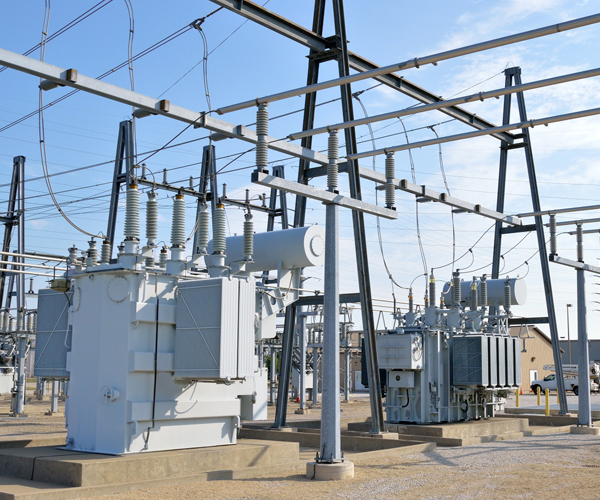
Electric Power Substation
The Core Connection: AI, Electricity, and Transformers
To understand the opportunity, it is essential to see the chain of demand:
-
AI Workloads: Training an AI model like GPT-3 consumes gigawatt-hours of electricity—equivalent to the annual consumption of hundreds of homes.
-
Data Center Expansion: To meet this need, tech giants are building massive new data centers or expanding existing ones at a record pace.
-
Grid Connection: These new facilities need to be connected to the high-voltage transmission grid.
-
The Transformer’s Role: This is where transformers come in. They step down high-voltage electricity from transmission lines to the lower voltages used by servers and cooling systems. Without them, the power cannot be used.
New Opportunities in the Transformer Market
The AI-driven demand is not just about selling more of the same equipment. It is reshaping the market and creating specific opportunities in three key areas.
1. Increased Demand for Large Power Transformers
Data centers are massive loads on the grid. Connecting them requires large, often custom-built transformers.
-
What’s needed: High-capacity power transformers (typically > 100 MVA) for grid interconnection.
-
Key Driver: The sheer scale of new AI data center campuses.
-
Market Impact: Long lead times and high prices, creating a seller’s market for major manufacturers.
2. Growth in Medium Voltage Distribution Transformers
Once inside the data center, power must be distributed safely and efficiently to thousands of servers.
-
What’s needed: Reliable, efficient distribution transformers (pad-mounted or unit substations) to handle internal power distribution.
-
Key Driver: The internal electrical infrastructure of a single data center is as complex as a small city’s.
-
Market Impact: Steady, high-volume demand from data center builders and operators.
3. Specialized Demand for High-Efficiency & Compact Designs
Space and energy efficiency are paramount in a data center.
-
What’s needed:
-
Amorphous Metal Transformers: These reduce “core losses,” meaning less electricity is wasted as heat, lowering operational costs.
-
Compact/Modular Substations: To fit within the tight footprint of a data center facility.
-
-
Key Driver: The need to maximize every square foot and minimize the massive electricity bill.
-
Market Impact: A premium on innovative, high-efficiency designs and materials.
Key Market Drivers at a Glance
To summarize, here are the primary factors fueling the transformer market’s growth:
| Driver | Description | Impact on Transformer Market |
|---|---|---|
| Rising AI Workloads | Exponential growth in computing power needed for AI models. | Higher peak demand for electricity, requiring more robust grid connections. |
| Data Center Construction | Global build-out of new, larger facilities. | Direct increase in orders for both large and medium transformers. |
| Grid Modernization | Aging grid infrastructure needs upgrades to handle new, large loads. | Replacement and upgrade of old transformers, alongside new installations. |
| Efficiency Regulations | Stricter government standards on energy loss. | Accelerated shift towards high-efficiency transformers, even if they cost more upfront. |
| Renewable Integration | Tech companies’ goal to power data centers with green energy. | Need for more transformers to connect solar and wind farms to the grid and data centers. |
Challenges and the Path Forward
While the opportunities are immense, the industry faces significant hurdles:
-
Supply Chain Constraints: The global supply chain for critical materials like grain-oriented electrical steel is tight, limiting production capacity.
-
Long Lead Times: Lead times for large power transformers can stretch to over two years, potentially slowing down data center projects.
-
Skilled Labor Shortage: There is a growing shortage of engineers and skilled workers needed to design, build, and test these complex devices.
Conclusion
The AI revolution is fundamentally an energy challenge. As the world races to build the digital brains of the future, the physical infrastructure required to power them cannot be ignored. The electrical transformer, a technology over a century old, is being thrust into the spotlight.
For manufacturers, component suppliers, and engineering firms, the message is clear: AI computing power is driving a structural shift in electricity demand, and the global transformer market is now at the center of a once-in-a-generation growth cycle.